


Transparent Film: Everything You Need to Know
More than 60 percent of all packaging today contains some form of transparent film. This transparent layer has quickly become indispensable in shops, industry, and creative projects. However, not all transparent film is the same, and each type has unique properties that determine how and for what purpose it's best used. Discover what to consider when choosing the right type of transparent film and how to avoid common mistakes.
Table of contents
- What is transparent film and what is it used for?
- What types of transparent film are there?
- Key features and material choices
- Applications in retail, gift and industry
- Alternatives, costs and common mistakes
Key Points
| Point | Details |
|---|---|
| Applications of transparent film | Transparent film is widely used in the packaging industry, retail and for creative projects because of its visibility and protection. |
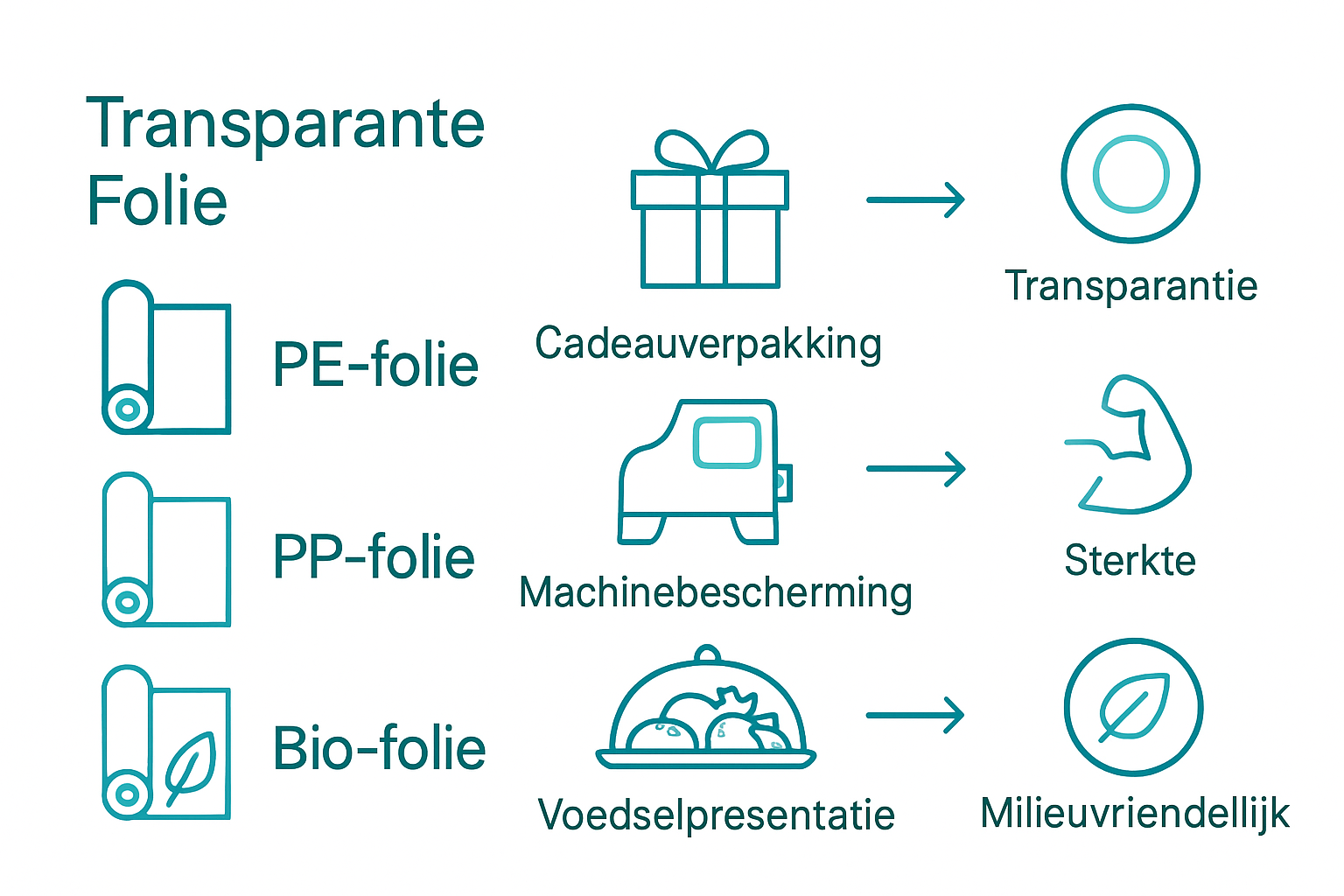
| Types of transparent film | There are different types such as PE film, PP film and bio film, each with unique properties and applications. |
| Essential properties | Important properties are strength, thickness, flexibility and temperature resistance, which are crucial for the right choice of foil. |
| Sustainability alternatives | Consider alternatives such as paper and recycled packaging that are more environmentally friendly and reduce the ecological impact. |
What is transparent film and what is it used for?
Transparent film is a versatile material widely used in various industries and applications. Transparent film is a thin, flexible layer of material that is completely transparent and distinguishes itself through its unique properties and applications.
According to kunststofshop.nl , a specific type of transparent film, such as polypropylene, is a perfect example of this material. This film has unique characteristics such as:
- Extreme strength and toughness
- Temperature resistance from -10 to 110 degrees
- Uses for lamps and folders
- A special 'frost look' because one side is matted
- Thickness of approximately 0.80 mm
Transparent film is widely used in various sectors, including packaging, decoration, document protection, craft projects, and creative applications. Its transparency makes it an ideal material for situations where visibility and protection are both important.
When choosing transparent film, it's important to consider specific properties such as thickness, flexibility, transparency, and temperature resistance. Each type of film has its own specific characteristics that determine its best suitability for specific applications.
What types of transparent film are there?
Transparent film is available in various types, each with unique properties and specific applications. Nicoud.nl distinguishes several interesting film variants that are widely used in various sectors.
The main types of transparent film are:
- Transparent PE film : Polyethylene film, widely used for packaging
- Transparent PP film : Polypropylene film with high strength and transparency
- PCR Film : Recycled transparent film, environmentally friendly option
- Metallised foil : Foil with metallic layer for special effects
- Bio-film : Biodegradable transparent film
- Pearlescent foil : Foil with a subtle glossy finish
- Shrink film : Film that shrinks when heated
- Printed film : Transparent film with applied print
Each type of film has specific characteristics that determine its suitability for various applications. For example, PE film is ideal for lightweight packaging, while metallized film offers more decorative and protective functions. Bio-film is perfect for environmentally conscious users who prioritize sustainability.
When choosing transparent film, it's crucial to consider properties such as thickness, flexibility, transparency, and specific applications. The right choice depends on your specific project or industrial application.
Key features and material choices
When selecting transparent film, there are several crucial properties to consider. Deiss.nl emphasizes that the right material choice depends on specific performance and usage requirements.
The main properties of transparent film include:
- Strength : Ranging from light to heavy loads
- Transparency : Degree of transparency
- Flexibility : Stretchability and adaptability
- Temperature resistance : Suitability for various environmental conditions
- Thickness : Determines protection and application level
- Environmental friendliness : Possibility of recycling or biodegradability
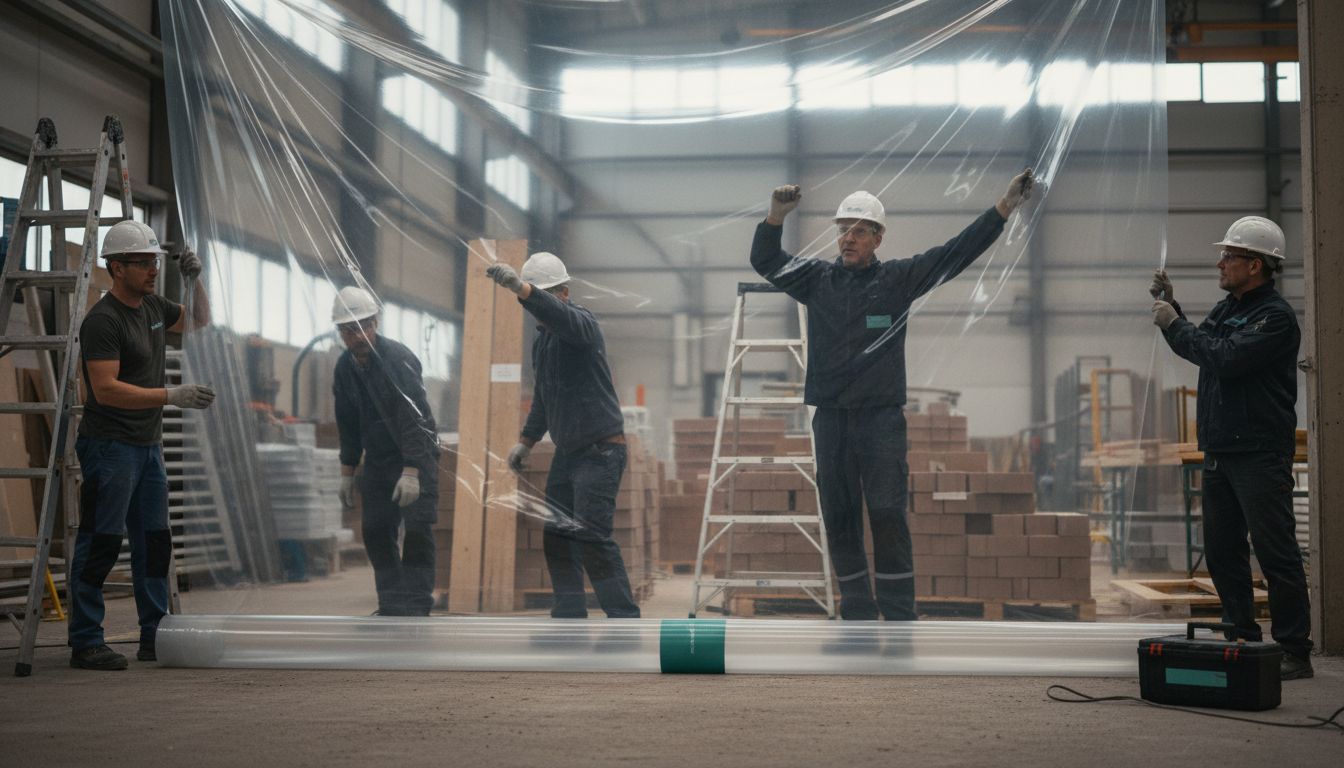
A specific example is LDPE film, which is exceptionally well-suited for industrial applications such as covering floors, facades, and bulk goods. This film combines sustainability with efficiency, making it ideal for professionals in construction, trade, and industry.
When making your choice, it's essential to carefully consider the specific requirements of your project. Factors such as the operating environment, required protection, desired transparency, and budget play a crucial role in selecting the right transparent film.
Applications in retail, gift and industry
Transparent film is a versatile material with countless applications in various sectors, from retail to industrial environments. Kunststofshop.nl highlights the unique properties of film types like polypropylene, which are perfect for a variety of professional purposes.
In retail , transparent films are often used for:
- Packaging of gifts and presents
- Protection of products in stores
- Decorative presentations
- Hygienic covering of food products
- Creating seasonal displays
In the industrial sector, transparent film offers numerous possibilities, such as:
- Protection of machines and equipment
- Temporary cover during construction projects
- Packaging of industrial components
- Insulation and climate control
- Transport protection for sensitive goods
Transparent film is essential for gift packaging . Polypropylene film, for example, with its temperature resistance from -10 to 110 degrees Celsius and thickness of 0.80 mm, is ideal for creating professional and attractive packaging. Its special "frosted look" makes it particularly appealing for creative presentations.
Alternatives, costs and common mistakes
When choosing packaging materials, it's important to critically examine transparent film and consider various alternatives. Reusable Packaging: Complete Guide for 2025 offers interesting perspectives on sustainable packaging solutions.
Alternatives to traditional transparent film include:
- Paper packaging : Environmentally friendly and biodegradable
- Biofilm : Made from renewable raw materials
- Recycled plastic packaging : Reduces environmental impact
- Textile packaging : Reusable and sustainable
- Cardboard packaging : Sturdy and recyclable
Common mistakes when using transparent film include:
- Choosing the wrong foil thicknesses
- Not taking temperature resistance into account
- Ignoring specific conditions of use
- No attention to environmental impact
- Thoughtless cost-cutting
The cost of transparent film varies considerably depending on the material, thickness, and application. Cheaper options can prove more expensive in the long run due to lower quality or limited reusability. It's advisable to consider not only the initial price but also durability, level of protection, and total lifecycle costs.
Discover how to perfectly apply transparent film with our packaging solutions
Choosing the right material for your project is essential. Transparent film offers many advantages, such as protection, durability, and a professional appearance, but it can be difficult to find the right thickness, strength, and temperature resistance to perfectly meet your needs. Are you looking for high-quality packaging materials that allow you to pack efficiently and attractively without compromising on quality or appearance?
At Kadopapier.net, you'll find a wide range of specially selected packaging products ideally suited to the applications and properties of transparent film. Whether you want to create gift wrapping, protect retail products, or are looking for industrial packaging, we offer not only films but also tissue paper and gift bags with matching ribbons and accessories, all with attention to detail and sustainability.
Choose certainty and convenience by diving straight into our collection so you can order the right packaging solutions today to make your project a success. Browse our selection at Kadopapier.net now and experience the difference in quality and service for yourself.
Frequently Asked Questions
What is transparent film?
Transparent film is a thin, flexible layer of material that is completely transparent. It is widely used in various industries for applications such as packaging, decoration, and document protection.
What types of transparent film are there?
There are various types of transparent film, including PE film, PP film, PCR film, metallized film, bio-film, pearl film, shrink film, and printed film. Each type has unique properties and applications.
What should I pay attention to when choosing transparent film?
When choosing transparent film, it is important to pay attention to properties such as thickness, flexibility, transparency, temperature resistance and the specific purposes of the project.
What are the applications of transparent film in industry?
Transparent film is used in industry for protecting machinery and equipment, temporary covering during construction projects, packaging industrial components, and transport protection for sensitive goods.