


Packaging as a Marketing Tool: A Complete Guide
More than 60 percent of consumers are influenced by the appearance of packaging in their purchasing decisions. Packaging design not only determines a brand's recognizability but can also directly influence purchasing behavior. Whether it's color, shape, or material, packaging has become a smart communication tool that evokes emotions and makes a brand story visible to every customer.
Table of contents
- What is packaging as a marketing tool?
- Main types and uses
- How color, shape and material work
- Successful practical examples
- Common packaging mistakes
- Costs, environmental and legal aspects
Important Points
| Point | Details |
|---|---|
| Packaging as a Marketing Tool | Packaging is a strategic tool that influences consumer behavior and shapes brand perception. Design, material, and appearance are crucial for conveying brand messages. |
| Types of Packaging | There are different types of packaging with specific functions such as protection, consumer interaction, and promotion. Each type must be tailored to business goals and product needs. |
| Design choices | Color, shape, and material play a significant role in consumer perception. Effective designs can directly influence purchasing behavior and brand recognition. |
| Packaging errors | Common mistakes like unnecessary packaging and unclear brand messages can negatively impact brand perception and sales. Brands must take consumer feedback seriously. |
What is Packaging as a Marketing Tool?
Packaging is much more than simply a protective layer for products. It's a powerful marketing tool that communicates directly with consumers and shapes their perception of a brand. Brand messages are increasingly conveyed through the design, materials, and appearance of packaging.
According to research by NVC, a study by the Retail Institute at Leeds Beckett University has shown that packaging plays a strategic role in product marketing. Experts from the FMCG supply chain emphasize that packaging is much more than a purely functional component of a product.
The communication functions of packaging are diverse. They can:- Create emotional connections with customers- Visualize brand values and identity- Highlight product features and benefits- Strengthen competitive differentiation
An in-depth study by libstore also shows that packaging plays a crucial role in influencing consumer behavior and brand perception. It's not just about what's inside the package, but also about the storytelling function of the packaging itself.
Main Types and Uses
Packaging is no longer just a container for products, but a strategic communication tool with countless forms and applications. Each type of packaging has unique properties specifically tailored to different business objectives and product needs.
Here's an overview of the main types of packaging and their applications:
| Packaging type | Main function | Typical Application |
|---|---|---|
| Transport packaging | Protection during transport | Shipping and distribution |
| Sales unit packaging | Consumer interaction | Retail packaging, displays |
| Industrial packaging | Bulk and storage | Wholesale, professional storage |
| Promotional packaging | Brand experience Marketing |
Promotions, limited editions, samples |
| Hybrid packaging formats | Combination of functions | Sustainable and communicative solutions |
According to the igepa Packaging Academy, we can classify packaging into several main categories:
- Transport packaging : Robust and designed for protection during shipping
- Unit Sales Packages : Directly aimed at consumer interaction and attractiveness
- Industrial packaging : Specialised for bulk transport and professional storage
- Promotional packaging : Specifically developed for marketing purposes and brand experience
Several factors play a role in selecting the right packaging, such as product features, target audience, transport conditions, and environmental impact. Packaging should not only be functional but also communicative and attractive to the end user.
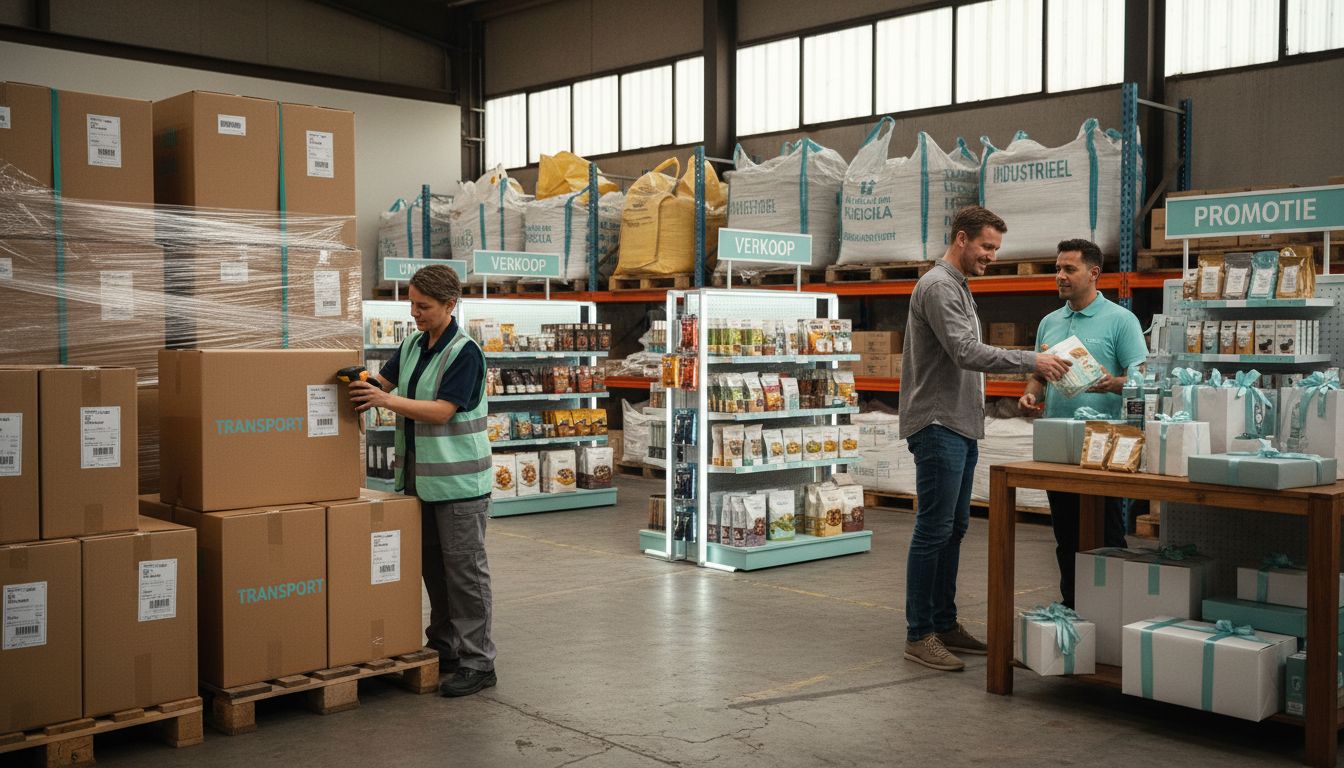
In practice, we're seeing more and more hybrid packaging designs that combine multiple functions: protection, communication, sustainability, and brand identity. A simple box transforms from a purely practical object into a powerful marketing tool that tells stories and evokes emotions.
How Color, Shape, and Material Work
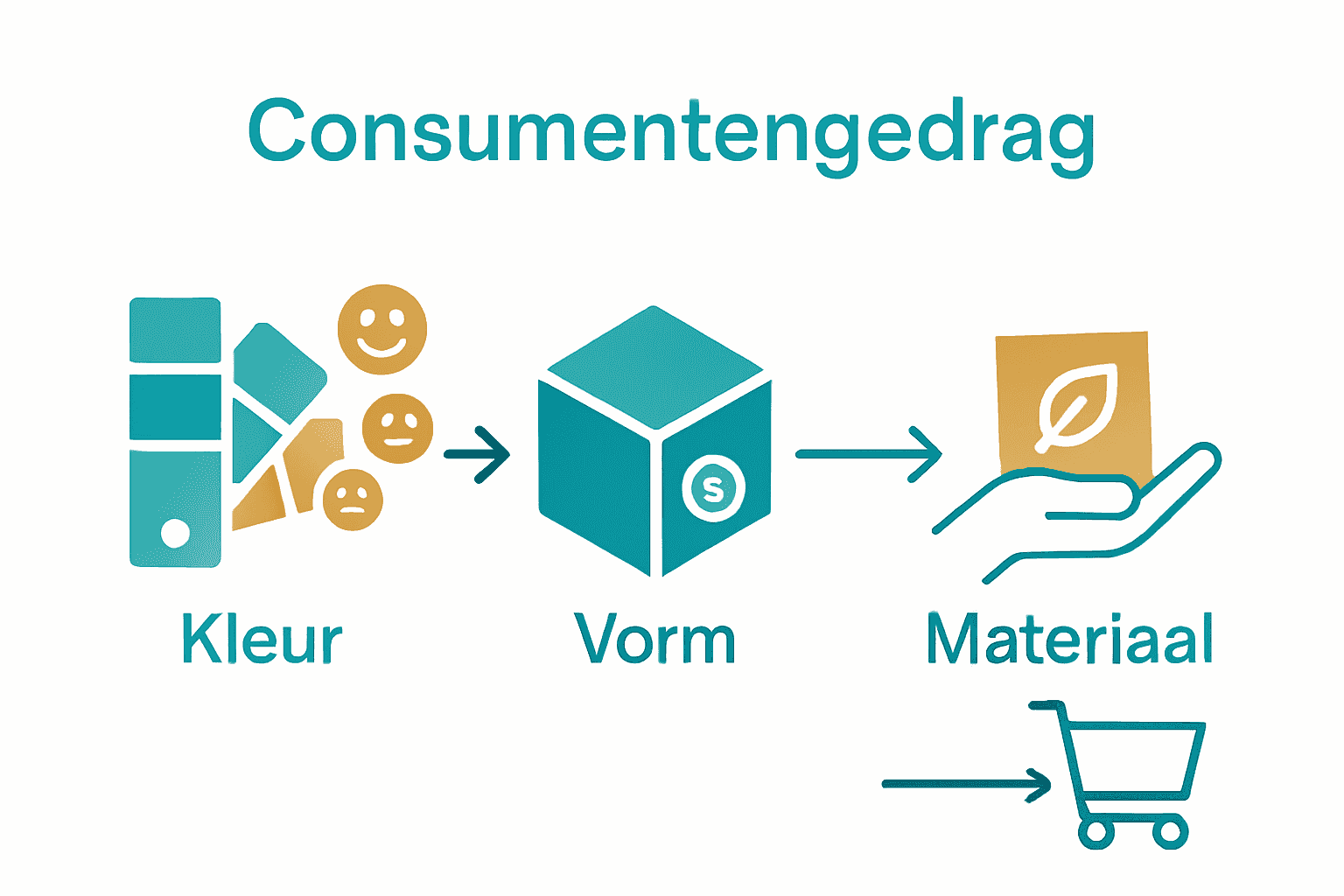
Packaging design is a complex interplay of visual elements that goes far beyond simple aesthetics. Color, shape, and material are not simply decorative choices, but strategic communication tools that directly impact consumers' subconscious perceptions.
According to arxiv research, brand logos and visual elements on packaging can significantly impact consumer attention. A well-thought-out design can literally be the first step toward successful sales.
The psychological impact of these design choices is significant:
- Color : Evokes specific emotions and influences purchasing behavior
- Form : Communicates brand identity and product quality
- Material : Provides tactile and visual cues of durability and premium character
Libstore emphasizes that design choices directly influence product perception and sales. Packaging is therefore much more than just a protective layer—it's a powerful communication tool that tells stories before the customer even touches the product.
Successful Practical Examples
Successful packaging strategies demonstrate how creative design can directly contribute to brand recognition and commercial success. Some brands succeed in transforming packaging from purely functional objects into powerful communication tools that truly resonate with consumers.
According to emerce, we see emerging trends like connected packaging , where packaging incorporates interactive elements to increase consumer engagement. Think of QR codes that tell stories, augmented reality experiences, or packaging that reveals additional product information.
Three remarkable practical examples of innovative packaging strategies:
- Sustainability Communication : Packaging that immediately displays its environmentally friendly properties
- Storytelling Design : Designs that tell brand history and values
- User Experience : Packaging that offers extra functionality or surprise
Libstore confirms that innovative packaging designs demonstrably contribute to brand recognition and increased sales figures. It's no longer just about protection, but about creating a complete brand experience that resonates with and connects consumers.
Common Packaging Mistakes
Packaging design is a complex field where even experienced brands regularly make strategic mistakes. Not every attractive package automatically guarantees commercial success, and small design errors can have major consequences for brand perception and sales figures.
According to AP, marketing is often considered more important than sustainability, which is a fundamental mistake in the modern packaging landscape. Consumers are becoming increasingly discerning and expect a balance between attractiveness and environmental awareness.
The most common packaging errors are:
- Excessive packaging : More material than necessary
- Lack of functionality : Beautiful design without practical use
- Unclear brand message : Design that does not support the essence of the product
- Environmentally Unfriendly Materials : Choices That Turn Consumers Off
Libstore emphasizes the crucial importance of consumer feedback in packaging design. Brands that fail to listen to their target audience run the risk of completely failed packaging strategies that are not only financially detrimental but can also seriously damage brand perception.
Costs, Environmental and Legal Aspects
Packaging choices are complex and go far beyond simple aesthetic considerations. They touch on economic, environmental, and legal dimensions that require careful consideration for modern businesses.
According to CE , biobased packaging is an emerging trend that cleverly combines economic and environmental aspects. The research shows that sustainable packaging choices are not only environmentally friendly but also potentially cost-saving.
Key considerations in packaging decisions:
- Economic impact : Direct and indirect costs of materials
- Environmental impact : CO2 footprint and recyclability
- Legal Compliance : Meeting Legal Standards
- Brand Perception : How Packaging Choices Influence Consumer Confidence
Ghent University emphasizes that marketing decisions regarding packaging increasingly require a holistic approach that combines economic efficiency, environmental sustainability, and legal compliance. These are no longer separate issues, but interrelated strategic considerations.
Packaging as a Marketing Tool: Make Your Brand Irresistible
In the guide, you've read about the importance of packaging in creating an emotional connection with your customers and strengthening your brand identity. Designing the right packaging goes beyond just providing a protective layer. It's about telling a compelling and impactful story. At the same time, you might face challenges such as combining sustainability with attractive design or choosing materials that are both functional and communicative.
Kadopapier.net understands this challenge and offers a wide range of packaging and wrapping materials to support your marketing goals. From stylish wrapping paper and beautiful ribbons to sturdy cardboard boxes and creative gift bags, our solutions ensure that your packaging not only protects but also conveys the right message.
Want your packaging to truly stand out and resonate with consumers? Then browse our selection at Kadopapier.net and discover how choosing the right materials and designs can instantly enhance your brand experience. Don't wait any longer; start designing packaging that sells and resonates today.
Frequently Asked Questions
What is the role of packaging in marketing?
Packaging serves as a powerful marketing tool by conveying brand messages, creating emotional connections with customers, and highlighting product features. The design and appearance of packaging are crucial to brand perception.
What types of packaging are there and what are they used for?
There are different types of packaging, such as transport packaging for shipping, sales unit packaging for consumer interaction, industrial packaging for bulk storage and promotional packaging for marketing purposes.
How do color, shape and material influence the consumer?
The color, shape, and material of packaging are strategic elements that evoke emotions and influence purchasing behavior. They communicate important signals about brand identity, product quality, and sustainability.
What are common mistakes in packaging design?
Common mistakes include excessive packaging, lack of functionality, unclear brand messaging, and the use of environmentally unfriendly materials. These mistakes can negatively impact brand perception and sales.