


Reusable Packaging: Complete Guide for 2025
Did you know that every European produces an average of 180 kilos of packaging waste per year ? This enormous mountain of waste calls for smart and more sustainable alternatives. Reusable packaging is gaining traction among businesses and consumers looking to reduce waste and save costs. By reusing materials more often, you not only reduce your ecological footprint but also benefit from practical advantages and are well-prepared for increasingly strict regulations.
Table of contents
- What is reusable packaging?
- Main types and materials explained
- Applications in detail: retail and industry
- Benefits for sustainability and cost savings
- Legal requirements and quality marks in Europe
- Avoiding mistakes and pitfalls during implementation
Important Points
| Point | Details |
|---|---|
| Sustainability | Reusable packaging reduces packaging waste and promotes a circular economy. |
| Cost savings | Long-term cost savings are possible through reduced waste disposal and packaging costs. |
| Legal requirements | The EU requires packaging to be reusable or recyclable, with strict waste reduction targets. |
| Strategic implementation | Successful implementation of reusable packaging requires proper planning and staff training. |
What is reusable packaging?
Reusable packaging is a specialized packaging solution designed to be used multiple times, unlike traditional disposable packaging. According to Verpakkingsmanagement, this type of packaging is crucial for reducing packaging waste and promoting a circular economy.
The core function of reusable packaging is its ability to reduce environmental impact. It is made from durable materials such as sturdy plastic, textiles, glass, or metal that can withstand repeated use. By citing "Today and Tomorrow," these packages help reduce packaging waste and promote sustainability.
Reusable packaging has some important features:
- Made of durable, strong materials
- Designed for multiple use cycles
- Reduce waste production
- Cost-effective in the long term
- Available in various sizes and styles
Whether you're a small online store, a large event organizer, or simply a consumer looking to be environmentally conscious, reusable packaging offers a smart and responsible solution to modern packaging challenges. It represents an important step toward a more sustainable future for the packaging industry.
Main types and materials explained
According to Verpakkingsmanagement, reusable packaging is available in a variety of materials, each with unique properties and applications. The most common materials are glass, metal, and specialty plastics suitable for repeated use and recycling.
Today and Tomorrow emphasizes that these materials are chosen for their sustainability and reuse potential. Let's take a closer look at the main types:
Glass packaging
- Extremely suitable for food and drinks
- 100% recyclable
- Maintains quality after multiple washes
- Hygienic and suitable for different temperatures
Metal Packaging
- Very durable and strong
- Perfect for industrial and transportation applications
- Long lifespan
- Easy to clean and reuse
Plastic Packaging
- Lightweight and flexible
- Available in various thicknesses and strengths
- Ideal for small to medium sized products
- Suitable for various packaging purposes
Each material has its own unique benefits, allowing businesses and consumers to make the best choice based on their specific needs and sustainability goals.
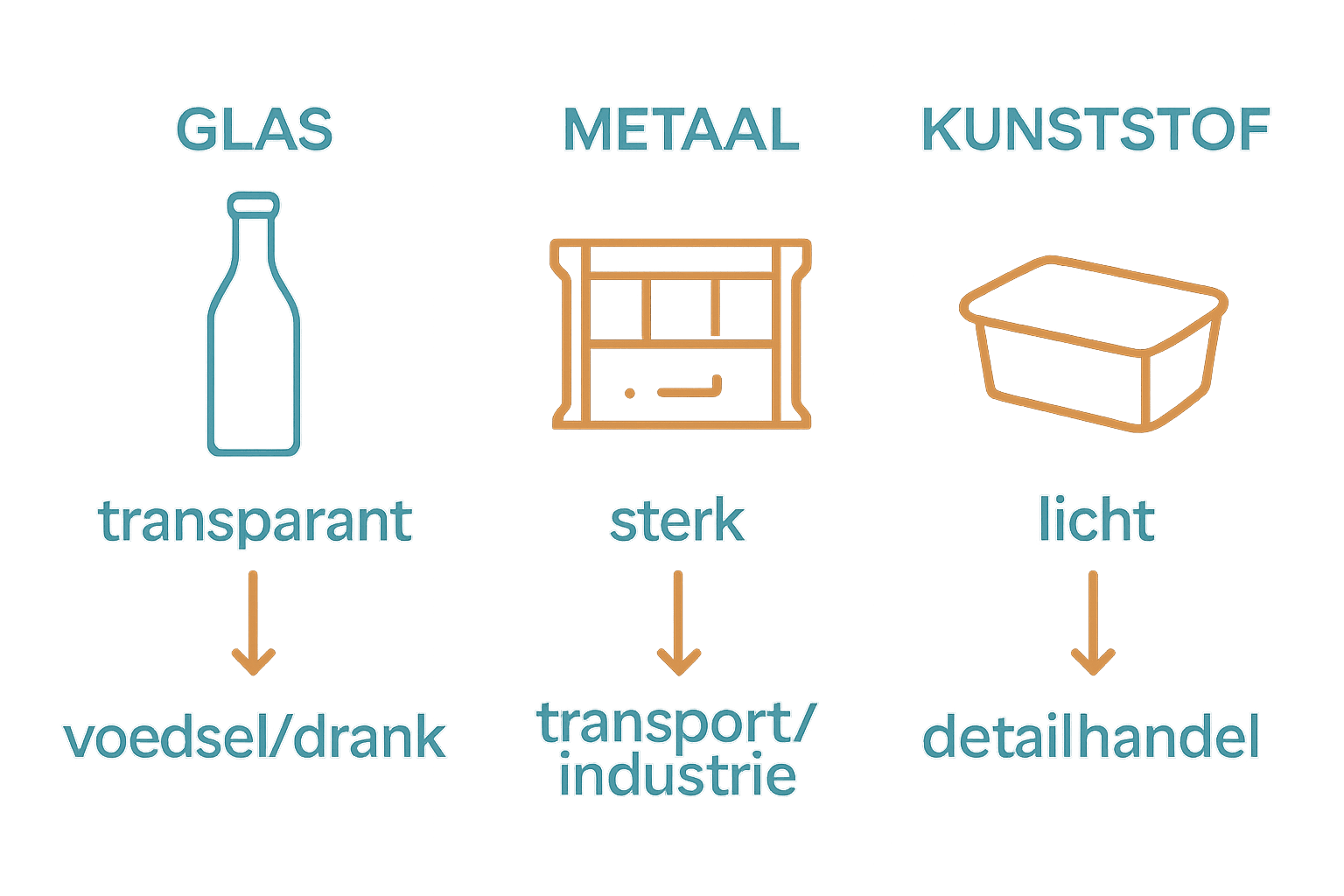
Below is a comparison of the three main materials for reusable packaging:
| Material | Advantages | Applications |
|---|---|---|
| Glass | 100% recyclable Hygienic Maintains quality |
Food packaging Drinks Bulk products |
| Metal | Very durable Long lifespan Easy to clean |
Transport Industry Storage |
| Plastic | Lightweight Flexible Versatile |
Retail Small products Packaging systems |
Applications in detail: retail and industry
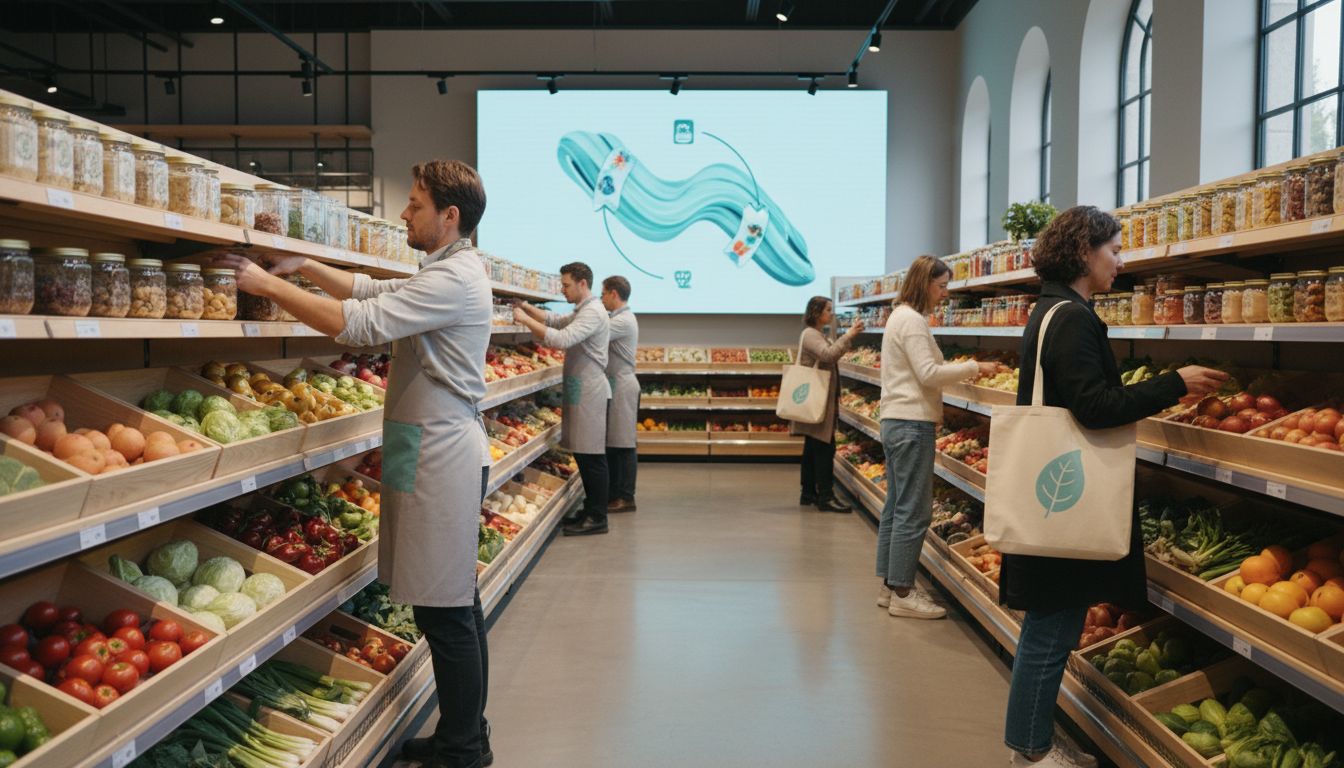
For the retail sector, Packaging Management shows that reusable packaging is becoming increasingly important, especially for food and beverages. Supermarkets, specialty stores, and local producers are using reusable packaging to reduce waste and create a more sustainable image.
Today and Tomorrow highlights industrial applications where reusable packaging plays a crucial role. Reusable pallets, containers, and boxes are used in transport chains to make logistics processes more efficient and environmentally friendly.
Application in various sectors:
Retail Applications
- Fresh produce in reusable boxes
- Bulk food products in glass containers
- Sustainable packaging for delicate items
- Zero-waste shopping bags
Industrial Applications
- Reusable transport containers
- Standardized warehouse pallets
- Industrial storage and transport solutions
- Automated packaging systems
By strategically deploying reusable packaging, both retail companies and industrial organizations can significantly contribute to sustainability goals while reducing operational costs.
Benefits for sustainability and cost savings
Reusable packaging offers numerous advantages for businesses and consumers. Packaging management emphasizes that this packaging not only contributes to sustainability but can also achieve significant cost savings through lower packaging costs in the long run.
Today and Tomorrow highlights the environmental impact of reusable packaging. By using materials more efficiently and reducing waste, organizations can significantly reduce their ecological footprint.
Key benefits:
Sustainability benefits
- Reduction of packaging waste
- Lower CO2 emissions
- Less raw material waste
- Promotion of circular economy
Cost benefits
- Lower purchase costs in the long term
- Lower waste processing costs
- More efficient logistics processes
- Tax benefits for sustainable entrepreneurship
By strategically choosing reusable packaging, companies can not only take their social responsibility seriously but also save substantially on operational costs.
Legal requirements and quality marks in Europe
The European Union has developed strict regulations to standardize reusable packaging. Europarl has introduced new rules requiring packaging to be reusable or recyclable, with specific targets for waste reduction and reuse.
Consilium emphasizes the mandatory certifications for recyclability and material use. This legislation compels companies to develop and implement more sustainable packaging solutions.
Main European requirements:
Legal Frameworks
- Mandatory recyclability of packaging
- Maximum reuse targets
- Restriction of single-use packaging
- Mandatory environmental labeling
Quality marks
- European Recycling Label
- Green Point Quality Mark
- Circular Economy Certificate
- Sustainability classification
Businesses must adapt to these new regulations to not only comply with the law but also contribute to a more sustainable future for packaging materials in Europe.
Avoiding mistakes and pitfalls during implementation
Implementing reusable packaging requires a strategic approach. Packaging management warns that an inefficient returns and cleaning system can lead to operational problems that undermine sustainability goals.
Today and Tomorrow emphasizes the importance of thorough planning and stakeholder involvement to make the implementation of reusable packaging systems successful.
Common implementation pitfalls:
Strategic Mistakes
- Insufficient preliminary research
- Lack of training for employees
- No clear take-back infrastructure
- Underestimating cleaning costs
Operational Challenges
- Inconsistent quality control
- Poor tracking of packages
- Insufficient hygiene protocols
- Complex logistics processes
Successful implementation requires a holistic approach in which technical, operational and organizational aspects are carefully integrated and continuously evaluated.
Discover Sustainable Packaging Solutions for Your Business
Embracing reusable packaging , as explained in the guide, is a smart step toward a more sustainable future. The challenge lies in finding reliable, durable, and aesthetically pleasing packaging materials that you can reuse again and again. Whether you're looking for sturdy cardboard boxes, stylish gift bags, or eco-friendly wrapping paper, it's important to choose quality that supports your sustainability goals without compromising on appearance.
At Kadopapier.net, you'll find a wide range of packaging materials that align with the trends of reuse and eco-friendliness. Choose from various types of wrapping paper, luxurious ribbons, and sturdy packaging that not only contribute to less waste but also enhance your brand story. Start packaging responsibly today and experience the benefits of our high-quality solutions for yourself. Visit Kadopapier.net and take the first step toward environmentally conscious packaging that your customers will value.
Frequently Asked Questions
What is reusable packaging?
Reusable packaging is packaging solutions that can be used multiple times, made from sustainable materials such as plastic, glass or metal, and is essential for reducing packaging waste.
What materials are used for reusable packaging?
The main materials for reusable packaging are glass, metal, and specialty plastics. Each material has unique properties that make it suitable for different applications, such as food packaging or industrial solutions.
What are the benefits of reusable packaging for sustainability?
Reusable packaging helps reduce packaging waste, lower CO2 emissions, save resources and promote the circular economy.
What challenges might arise when implementing reusable packaging?
Common challenges include inadequate pre-production research, lack of employee training, and an inefficient returns and cleaning system, which can undermine sustainability goals.