


Transparent Film: Packaging and Presentation Power
More than 80 percent of retailers in Central Europe indicate that well-presented product presentation directly contributes to increased sales and customer satisfaction. As a gift shop owner, you know how crucial packaging is for a first impression. Transparent film offers the perfect opportunity to present products safely and attractively without obscuring the contents. Discover practical insights and smart tips to make your offerings stand out while protecting them.
Table of contents
- What is transparent film and what is it used for?
- Main types and materials explained
- Applications in gift shops and stores
- Benefits for product presentation and protection
- Risks, environmental issues and alternatives
Key Insights
| Point | Details |
|---|---|
| Versatility of Clear Film | Transparent film is ideal for packaging and presentation due to its transparency and adaptability. |
| Choice of Material | The right type of film, such as Polyethylene or Bioplastic, should be selected based on application and environmental friendliness. |
| Benefits for Shops | Clear film increases product visibility and protects against damage, leading to fewer returns. |
| Environmental Impact and Sustainability | Traditional films have environmental challenges; consider sustainable alternatives such as bioplastics. |
What is transparent film and what is it used for?
Transparent film is a versatile material best known as a packaging and presentation material. It's a thin, transparent sheet, usually made of plastic, characterized by its flexibility and adaptability. Film is a very thin sheet-shaped material, often rolled up on a roll , and has numerous applications across various industries.
The material is primarily used for packaging, protecting, and presenting products. Transparent film allows complete light transmission, making it ideal for situations where product visibility is crucial. Examples include food packaging, gift wrapping, industrial applications, and decorative purposes. It is primarily produced from extremely thin plastics that are cut into rolls , making it highly flexible and practical.
The properties of transparent film make it particularly suitable for various applications. The material is lightweight, stretchable, protective, and easily adaptable to different shapes and products. Furthermore, it is relatively inexpensive to produce and offers excellent protection against moisture, dirt, and external influences. Professionals in industries such as retail, food production, gift packaging, and logistics value transparent film for its versatility and functional properties.
Pro tip: Always choose high-quality transparent film that meets your product's specific packaging needs to ensure optimal protection and presentation.
Main types and materials explained
Transparent film is made from various plastic materials with specific properties and applications. Plastic films consist of thin sheets of various polymers such as polyethylene (PE), polypropylene (PP), and polyvinyl chloride (PVC) , each with unique characteristics that make them suitable for specific packaging and presentation purposes.
A particularly interesting material is polyvinyl butyral (PVB), a polymer processed into transparent, adhesive films with special properties . This material is primarily used in safety applications, such as the production of safety glass for cars and buildings. PVB has the unique ability to absorb impact energy and retain glass shards, making it a crucial material for situations where transparency and safety converge.
The different types of plastic films are often combined or layered to enhance specific functional properties. Multiple layers can be used to strengthen the gas barrier, increase mechanical strength, or add special protective features. Professionals choose their film type based on factors such as desired transparency, stretchability, strength, environmental friendliness, and specific industry requirements.
Pro tip: Always consult a packaging specialist to select the most suitable film type that perfectly matches the specific packaging and presentation requirements of your product.
Below is a comparison of commonly used materials for transparent film:
| Material | Main Feature | Typical Application | Environmental friendliness |
|---|---|---|---|
| Polyethylene (PE) | Flexible and light | Food packaging | Difficult to recycle |
| Polypropylene (PP) | High brightness | Packaging, flowers | Better recyclable |
| Polyvinyl chloride (PVC) | Strong and stretchable | Industrial applications | May contain harmful substances |
| Polyvinyl butyral (PVB) | Safety and shock absorption | Safety glass | Difficult to recycle |
| Bioplastic | Compostable | Sustainable alternatives | High environmental friendliness |
Applications in gift shops and stores
Clear film plays a crucial role in product presentation and packaging in gift shops and retail stores, where transparency and protective properties are paramount. The material offers retailers an ideal solution for attractively and safely displaying products without compromising the visibility and appeal of the item.
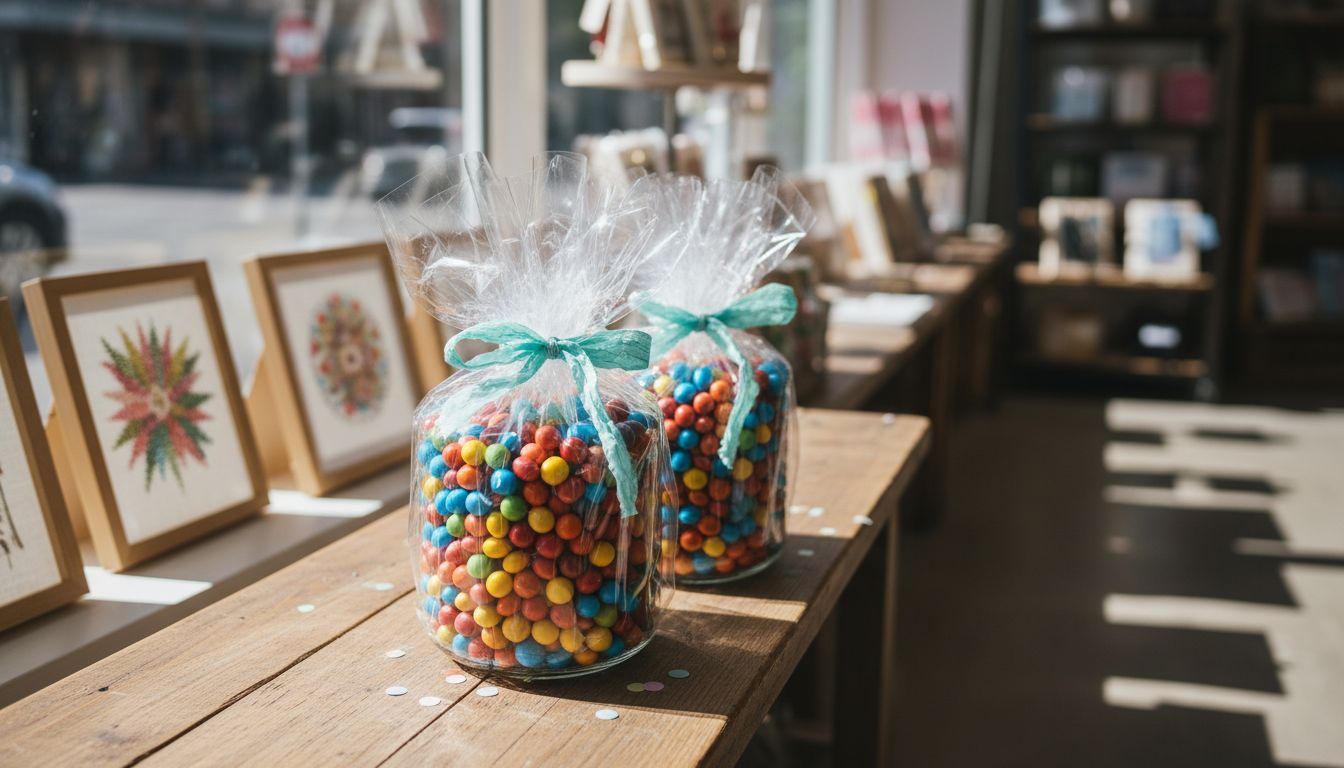
In the gift shop world, transparent film is used strategically across various product categories. Products such as confectionery, toys, and gift items are wrapped in film to make them stand out and enhance their perceived value . This packaging method not only enhances visual appeal but also protects delicate products from external influences such as dust and damage.
For gift shops, transparent film offers numerous advantages. The material is lightweight, flexible, and easily adapts to various product shapes. Whether it's jewelry, small decorative items, toys, or food-related gifts, the film ensures a professional and polished presentation. Furthermore, the film can be combined with decorative elements like ribbons or stickers to enhance the overall packaging experience.
Here is an overview of the benefits of transparent film for shops:
| Advantage | Impact on stores | Sample application |
|---|---|---|
| Product visibility | Customers see content immediately | Candy or jewelry |
| Protection against damage | Fewer returns and complaints | Fragile gifts |
| Improved presentation | More attractive window displays | Decoratively packaged toys |
| Flexible fit | More efficient packaging | Different sizes |
| Low costs | Saves on packaging budget | Mass products |
Pro tip: Experiment with different film thicknesses and transparency levels to find the ideal packaging that combines both protection and aesthetics for your specific product range.
Benefits for product presentation and protection
Clear film offers a unique combination of product protection and visual appeal, making it an indispensable material for modern businesses and stores. Its transparency allows consumers to fully view products while simultaneously providing an effective protective layer against external influences.
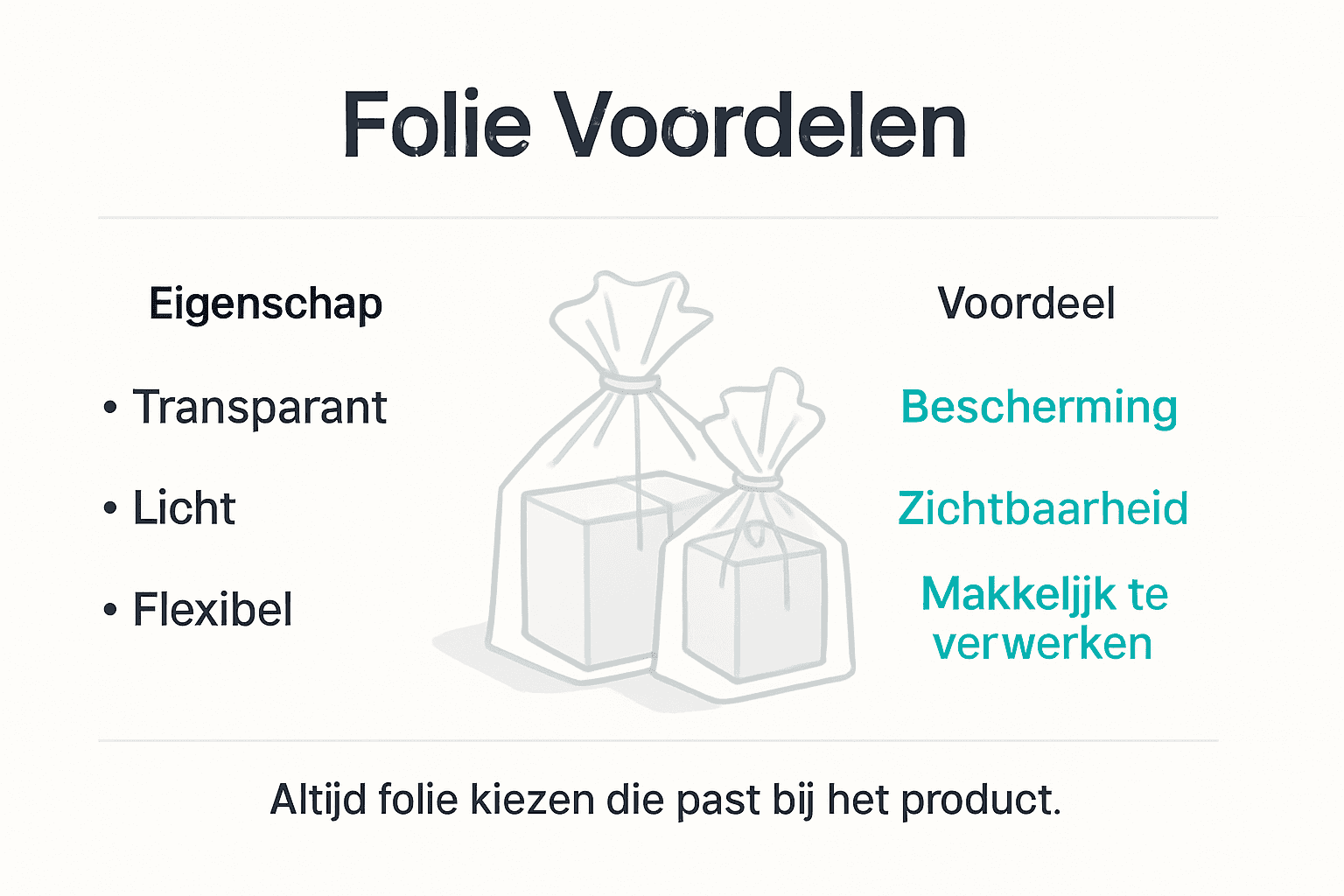
The protective properties of transparent film are versatile and crucial for product quality. The material effectively shields products from dust, moisture, and physical damage during transport and presentation, ensuring product integrity. Moreover, the film is lightweight, flexible, and easily adaptable, making it ideal for various product categories.
For businesses and shops, clear film offers numerous strategic advantages. It not only enhances the visual appeal of products but also serves as a cost-effective protection method. Products remain visible and attractive while simultaneously being protected from damage, moisture, and external contaminants. This makes clear film an essential tool for quality-conscious businesses that value both aesthetics and functionality.
Pro tip: Choose film thicknesses and qualities that are specifically tailored to the fragility and presentation requirements of your specific products.
Risks, environmental issues and alternatives
Transparent film faces several environmental challenges that are receiving increasing attention from businesses and consumers. Traditional plastic films are often made from non-renewable resources and contribute to environmental pollution, particularly plastic waste that is difficult to degrade and can harm ecosystems.
Fortunately, innovative alternatives are being developed, such as bioplastics made from natural materials like seaweed or bio-based polymers . These new materials are often compostable and offer a promising solution to traditional, environmentally harmful packaging materials. The technology is still developing, and the challenge lies in maintaining the desired properties, such as strength and functionality.
The risks of traditional transparent films include not only environmental impact but also potential health risks from migrating chemicals. Some inexpensive films contain harmful plasticizers and chemicals that can be released during prolonged contact with food or products. Therefore, professional companies are increasingly opting for certified, safe, and environmentally friendly packaging materials that meet strict quality and safety standards.
Pro tip: Research and invest in sustainable packaging alternatives that are both environmentally friendly and protect the quality of your product.
Optimize your product presentation with high-quality packaging materials
The challenge of finding the perfect transparent film that not only protects but also enhances the visibility and appeal of your product is essential for every retailer or gift shop. This article emphasizes the importance of choosing films that meet your product needs while also considering environmental concerns. When looking for materials that are flexible, strong, and visually appealing, you can rely on Kadopapier.net 's extensive collection.
At Kadopapier.net, you'll find not only a wide range of foil and packaging solutions, but also complementary products like wrapping paper and decorative accessories that complete your gift packaging. Enhance the quality of your presentation and effectively protect your products with materials that meet your high standards. Choose professional packaging materials today that will make you stand out and instantly meet your customers' needs.
Discover the convenience of a clear selection and direct ordering through our user-friendly webshop. Take the next step and visit Kadopapier.net for the perfect combination of functionality and style your product packaging deserves.
Frequently Asked Questions
What is transparent film and what is it used for?
Clear film is a thin, transparent plastic material primarily used for packaging, protecting, and presenting products such as food, gifts, and industrial goods.
What materials are commonly used to make transparent film?
Transparent film is typically made from plastics such as polyethylene (PE), polypropylene (PP), and polyvinyl chloride (PVC), each with unique properties suitable for different applications.
What are the benefits of using transparent film for product presentation?
Clear film provides excellent product visibility, protection against dust and damage, and helps create attractive product presentations, contributing to higher resale value.
Are there environmentally friendly alternatives to traditional clear film?
Yes, there are innovative alternatives such as bioplastics, which are made from natural materials and are often compostable. These materials reduce the environmental impact compared to traditional plastic films.
Recommendation
- Using Foil or Paper: Understand the Basics and Applications – Kadopapier.net
- Kraft Paper Benefits: Understand Its Importance and Uses – Kadopapier.net
- Kraft bags: sustainable impact and versatility at the heart of Kadopapier.net
- What is kraft paper? Understand its properties and uses – Kadopapier.net
- Klebestick - Schmelzharz - Spezial Klar 11.3 x 200 mm, bleibt nac, 0.50 €